

Rome Travel Guide: Vatican City, Trevi Fountain & the Colosseum
 Rome is one of those cities where history is everywhere. Ancient ruins sit alongside busy streets, grand piazzas open into narrow lanes, and almost every corner seems to have a story to tell.
For us, Rome also felt surprisingly familiar. In some ways, the traffic, honking cars and slightly chaotic buses reminded us of Delhi. And just like Delhi, the chaos comes with thousands of years of history as its backdrop.
We spent two days exploring the city, covering the Vatican, Trevi Fountain, Spanish Steps, Piazza Venezia and the Colosseum.
Rome at a Glance
Ideal duration: 2–3 days
Best for: History, architecture, art and food
Getting around: Walking, buses and Metro
Must-see: Vatican Museums, Sistine Chapel, Colosseum, Trevi Fountain and Spanish Steps
Rome is best explored at a relaxed pace. Many of the major attractions are within walking distance of one another, while buses and the Metro are useful for longer stretches.
Where We Stayed
We stayed at Hotel St. Paul, which served as our base while exploring Rome.
The hotel was convenient for our sightseeing plans, although some of the major attractions required public transport. For the Vatican, we used Bus No. 23.
Day 1: Vatican City & the Colosseum
Vatican Museums & Sistine Chapel
The Vatican Museums and Sistine Chapel were at the top of our list.
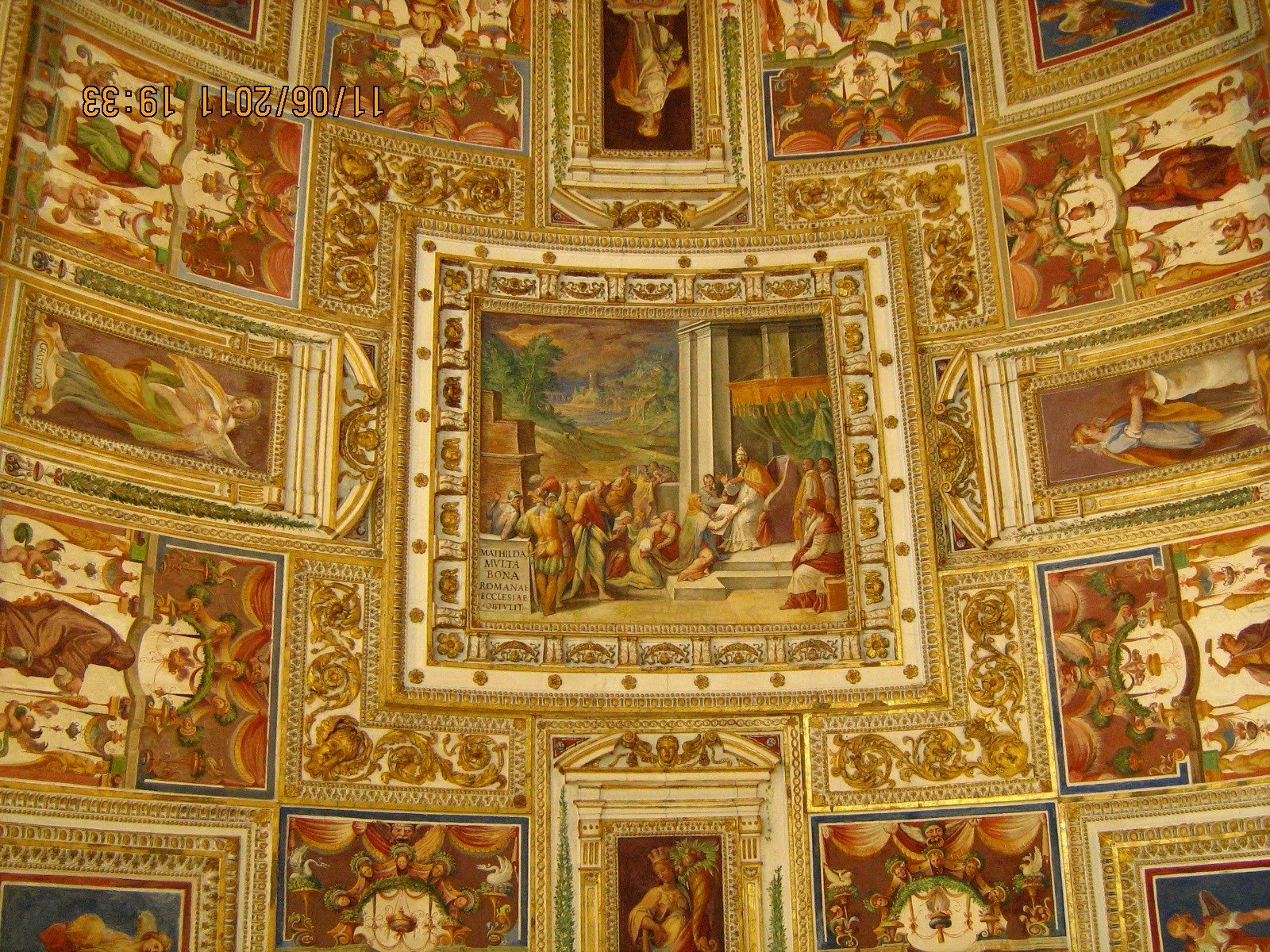
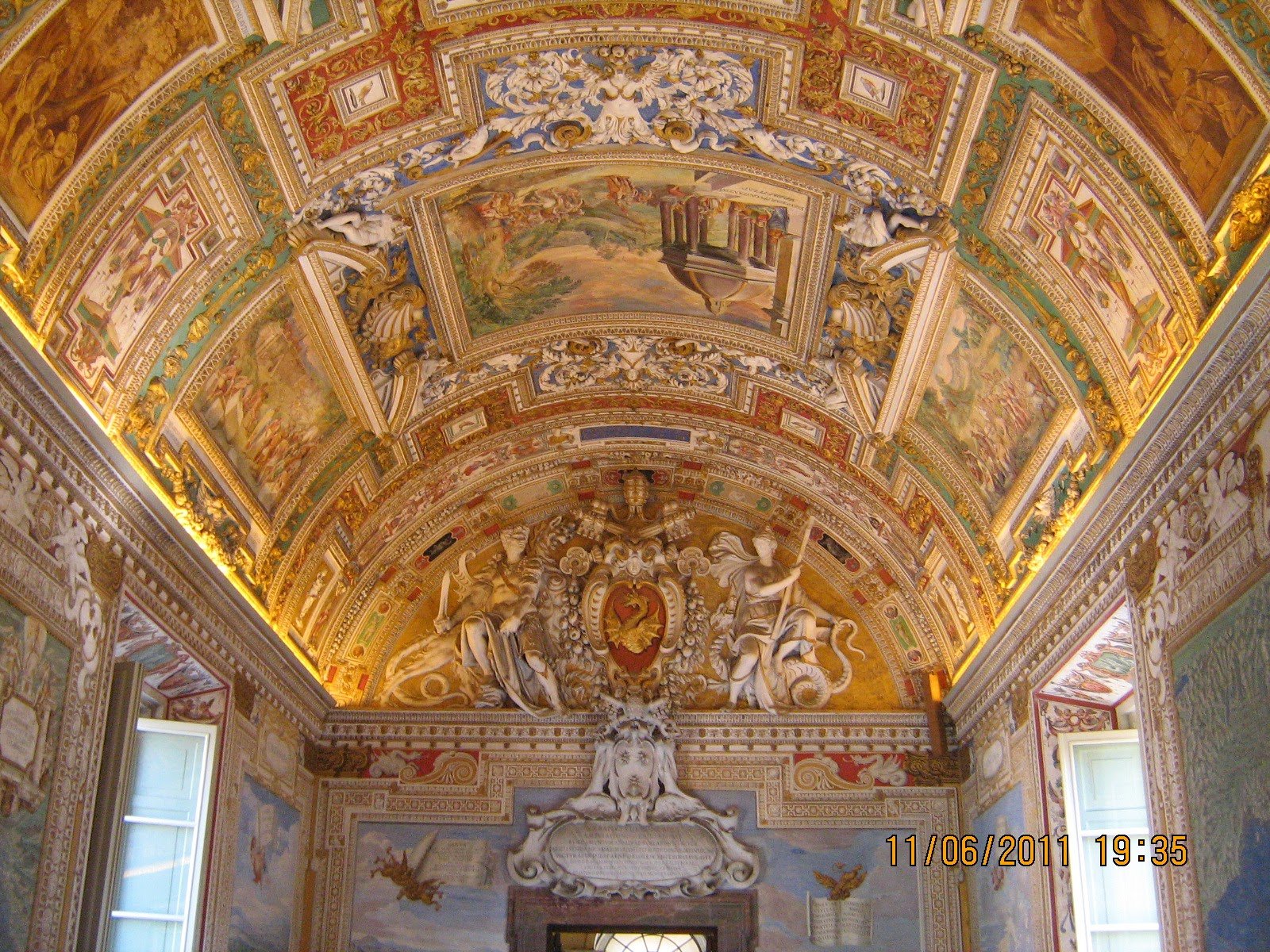
Even if you are not particularly interested in museums or art, the sheer scale of the Vatican Museums makes it worth visiting. The galleries contain an enormous collection of paintings, sculptures and other works of art.
Book your tickets in advance. This is one lesson we learned from our visit.
We had booked a 10:30 AM tour through Viator Travels, but after our travels through Venice and Pisa, we were too tired to get ready and reach the Vatican on time. By the time we arrived at around 1 PM, the queue was already huge.
Our original tour had finished, and we weren’t even sure whether our booking would still be valid. After contacting the agency, the guide agreed to accommodate us on the 2:30 PM tour, although we had to pay an additional €15 per person.
It was still worthwhile because we were able to skip the long queue.
The museum is enormous, and reaching the Sistine Chapel takes time. We spent almost three hours making our way through the galleries.
Along the way, we saw works associated with artists including Michelangelo, Botticelli and Perugino. The highlight was, of course, the Sistine Chapel, particularly Michelangelo’s magnificent ceiling.
Photography is not permitted inside the chapel, so this is one place where you simply have to put the camera away and take in the experience.
Tip: Allow at least 3–4 hours for the Vatican Museums and Sistine Chapel, and book your entry in advance.
Vatican City
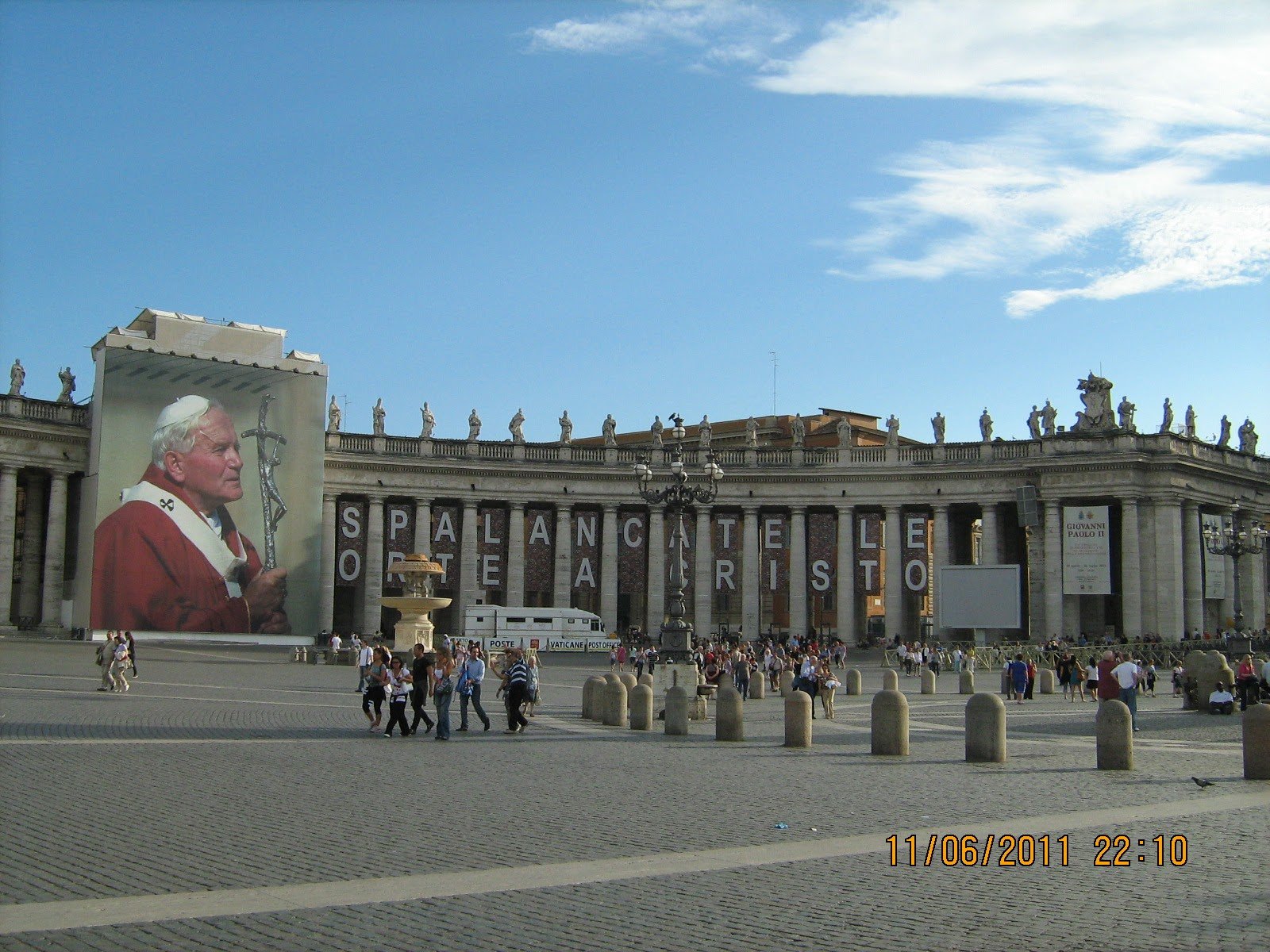
After the museum, we headed towards Vatican City and St. Peter’s Square.
We did not have enough time to visit the Basilica from inside, but even walking around the square and taking in the surroundings was worthwhile.
If you have more time, combine the Vatican Museums, Sistine Chapel and St. Peter’s Basilica into one visit.
Piazza Venezia
From the Vatican, we made our way towards the historic centre of Rome.
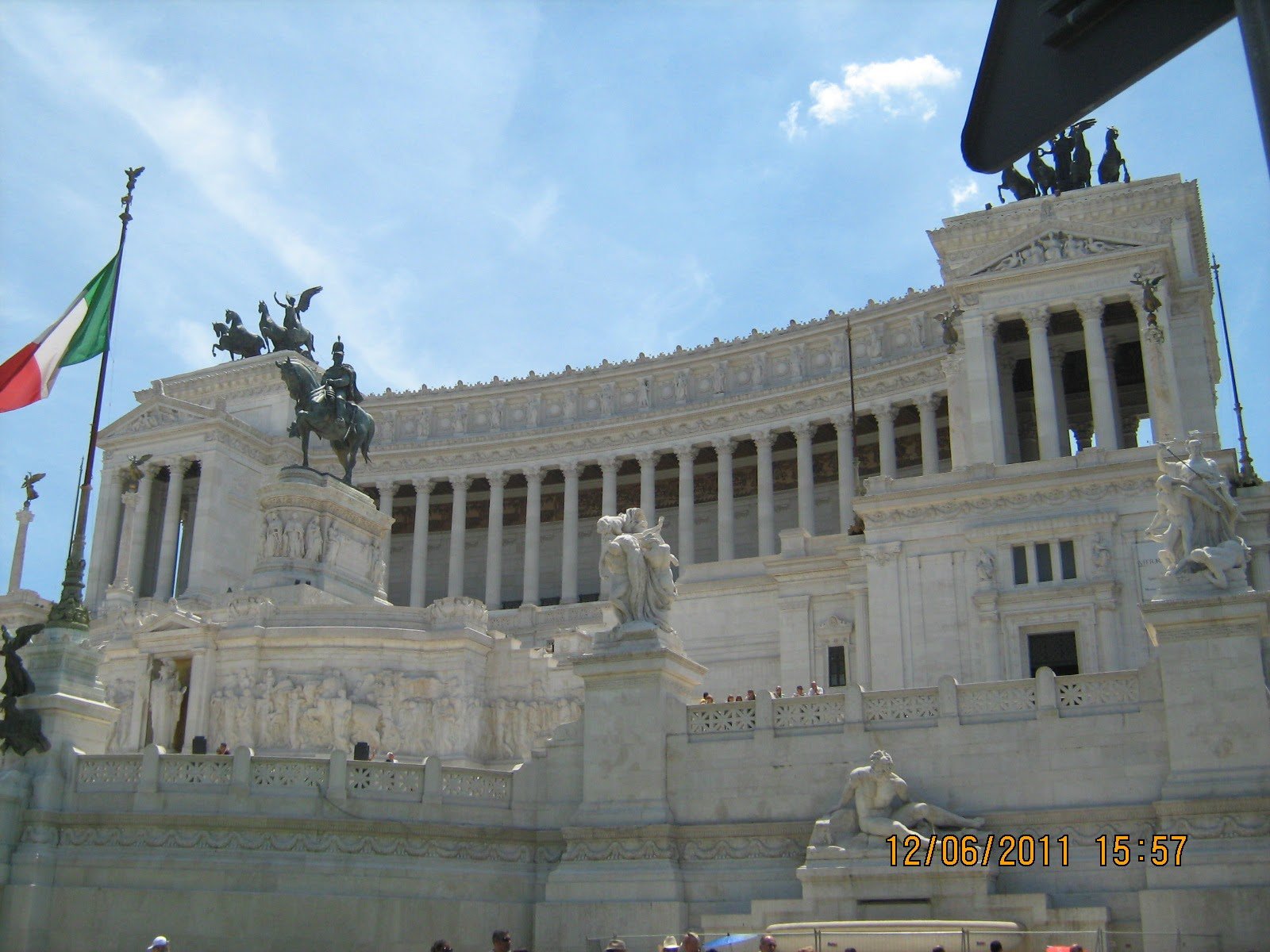
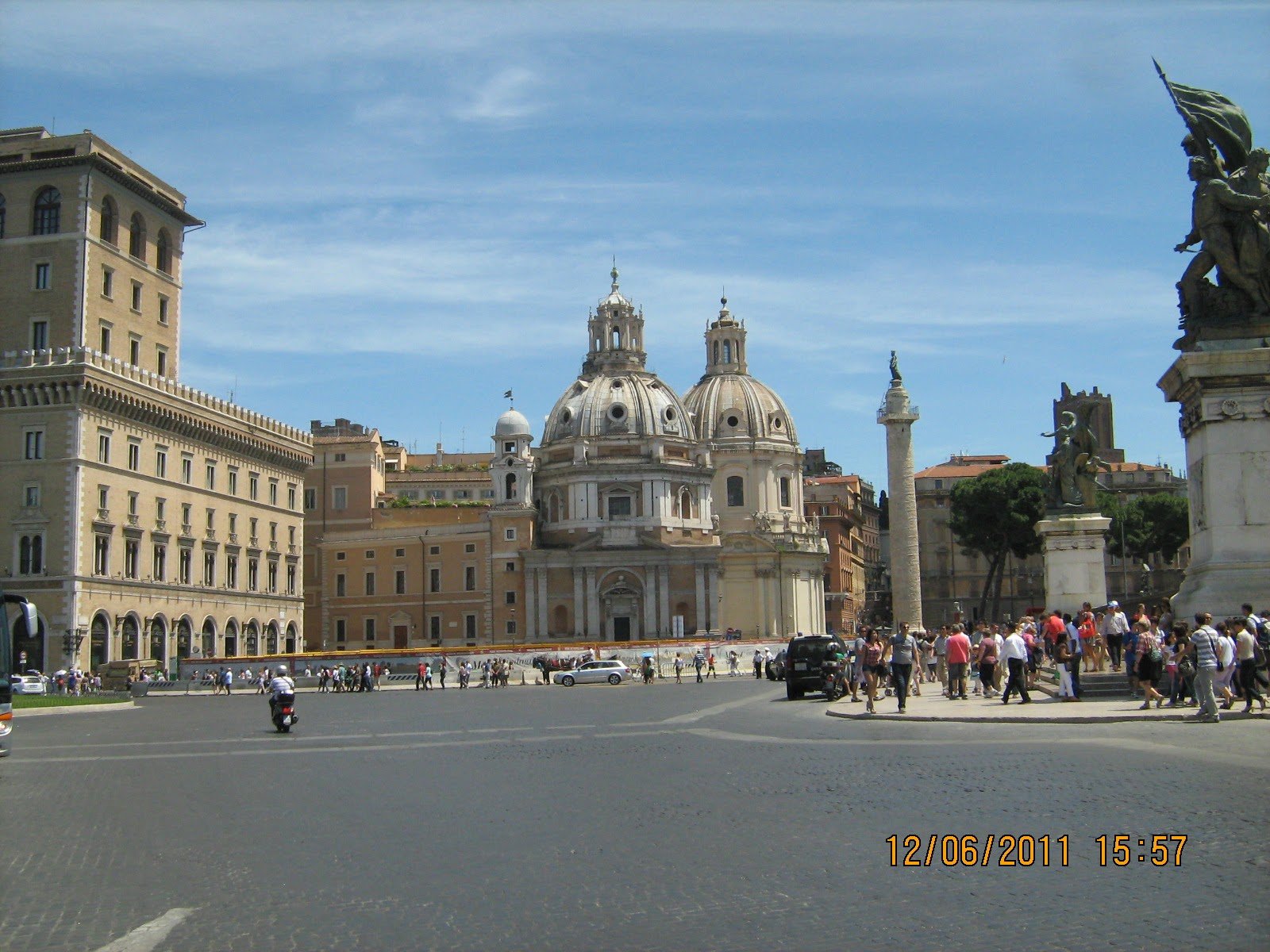
One of the places we came across was Piazza Venezia, a huge square dominated by its impressive white monument, The Vittoriano.
It is also a convenient starting point for exploring some of Rome’s major historic sights on foot.
From here, you can walk towards the Colosseum and experience the contrast between modern Rome and its ancient architecture.
Day 2: Trevi Fountain, Spanish Steps & the Colosseum
Trevi Fountain
No trip to Rome is complete without a visit to the Trevi Fountain.
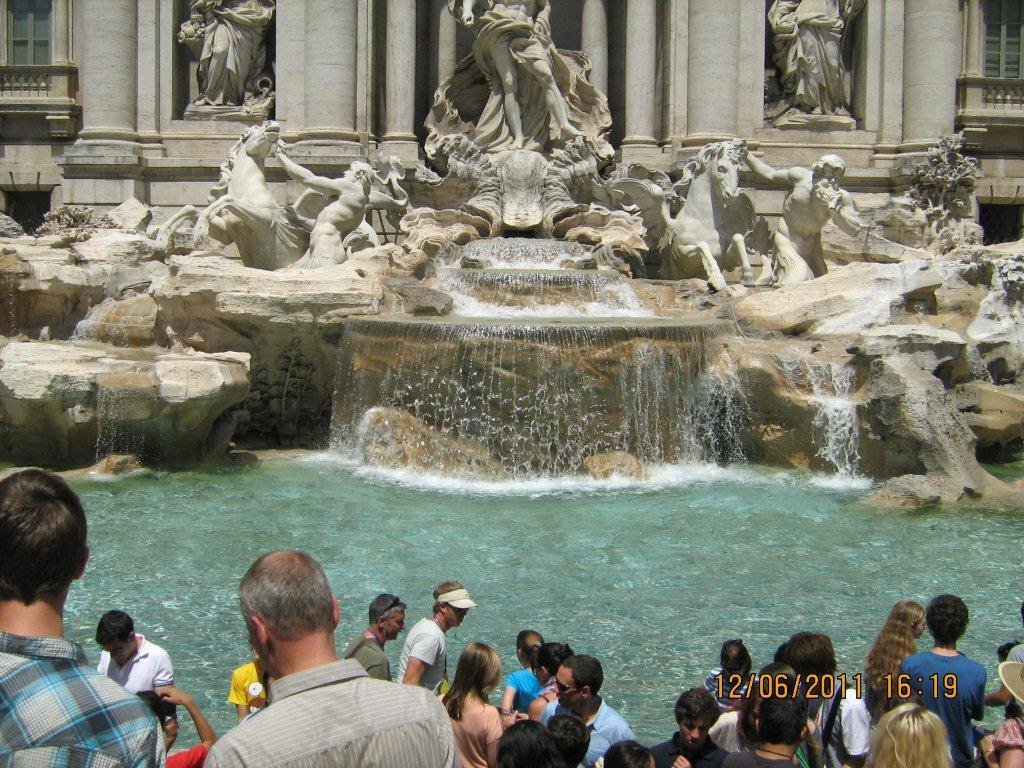
We walked from Piazza Venezia towards the fountain. The fountain, built in the 18th century, is one of Rome’s most famous landmarks.
The turquoise water and elaborate architecture make it a beautiful sight, although the area can get extremely crowded.
Be prepared to wait for a gap in the crowd if you want a clear photograph.
Tip: Visit early in the morning or later in the evening if you want to experience the fountain with fewer people.
Piazza del Popolo
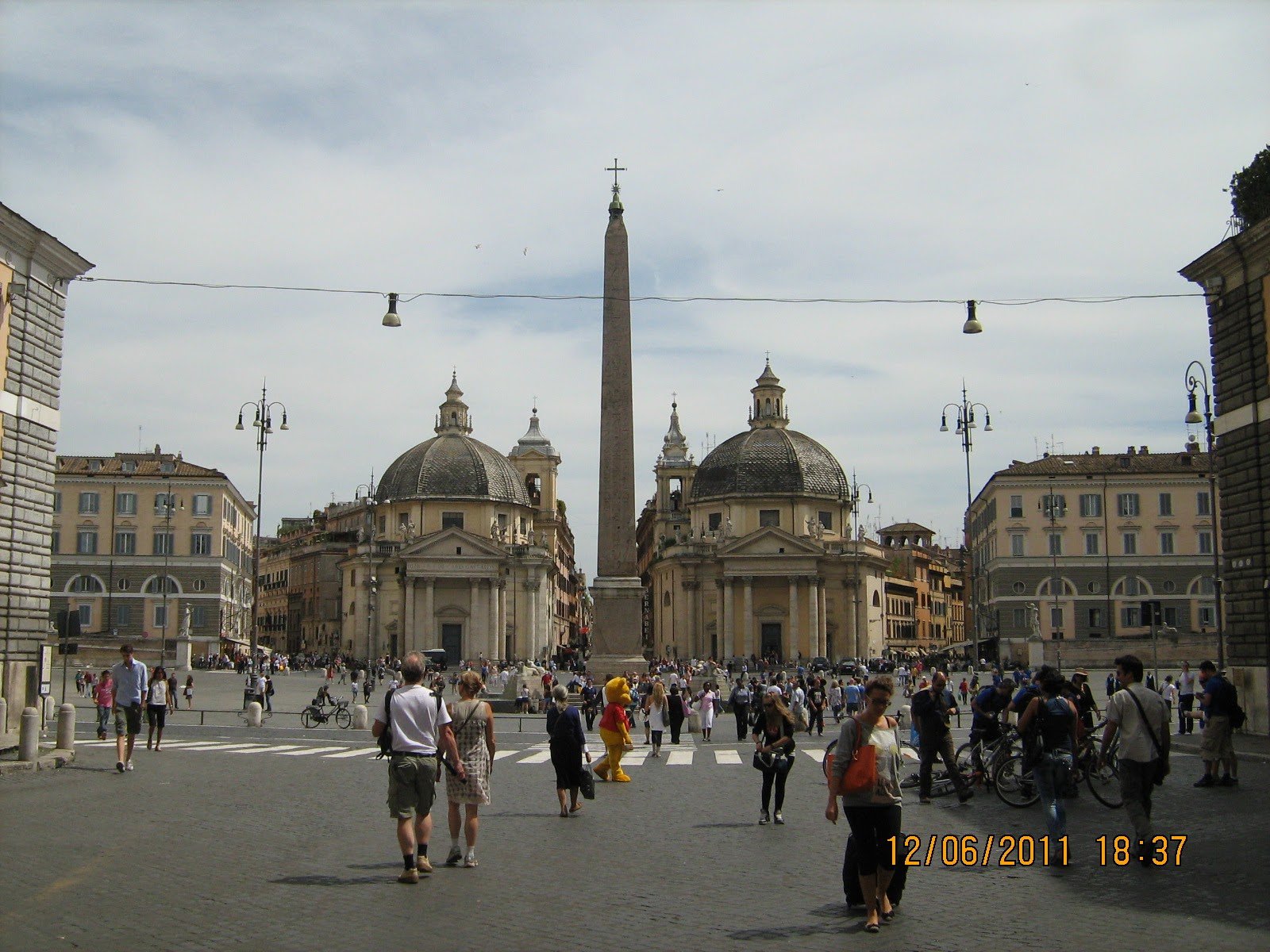
From Trevi Fountain, we continued towards Piazza del Popolo.
The large open square is another interesting stop while exploring central Rome, although for us it was more of a short visit than a major attraction.
Rome is particularly enjoyable in this part of the city because you can walk between several landmarks rather than constantly relying on public transport.
Spanish Steps
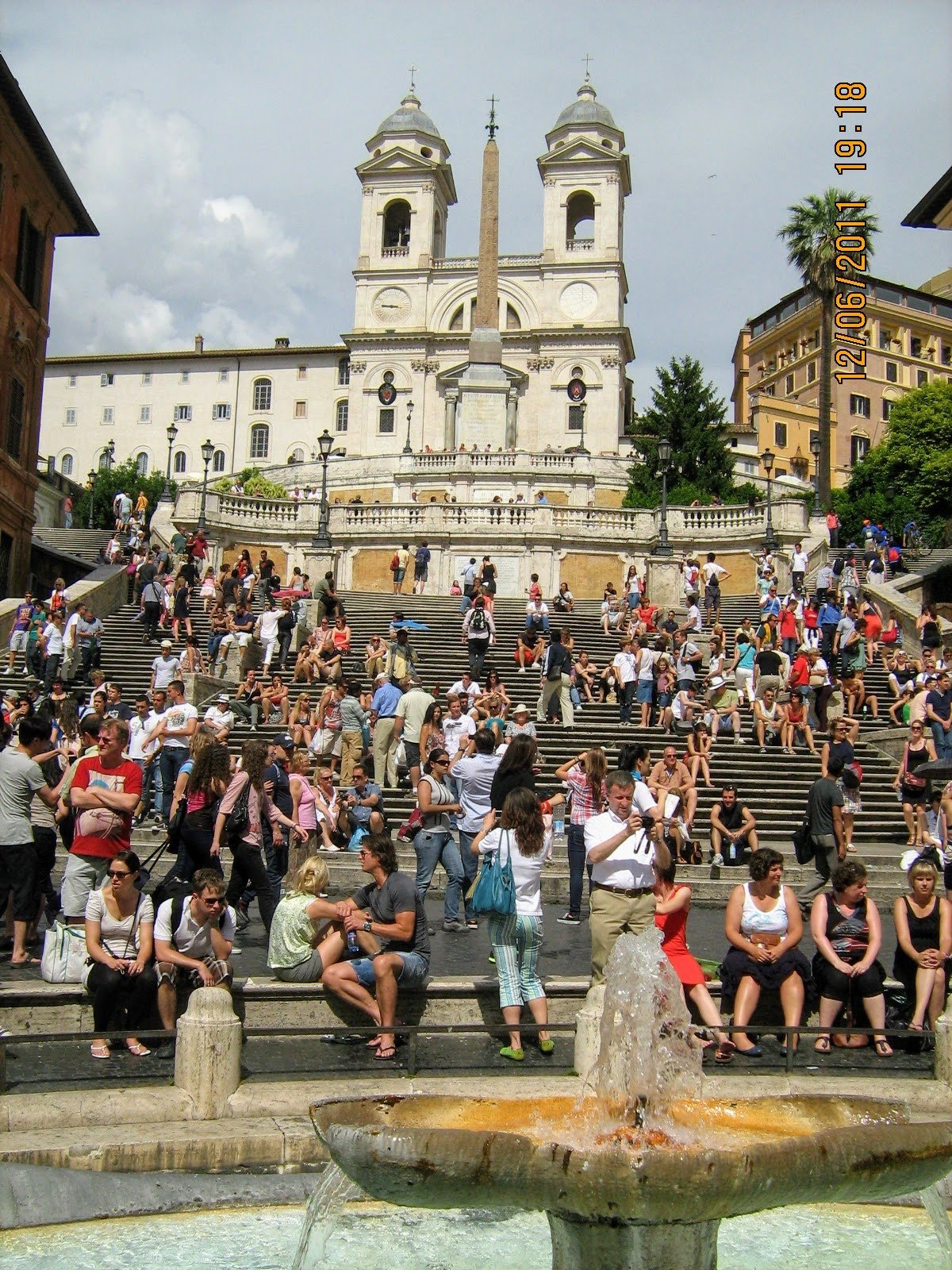
Our next stop was the Spanish Steps, reached after a walk towards Spagna Metro station.
The steps are one of Rome’s most recognizable landmarks and became particularly famous internationally after appearing in the classic 1954 film Roman Holiday, starring Gregory Peck and Audrey Hepburn.
The steps and the fountain at their base make this a popular meeting point and photo stop.
The Colosseum
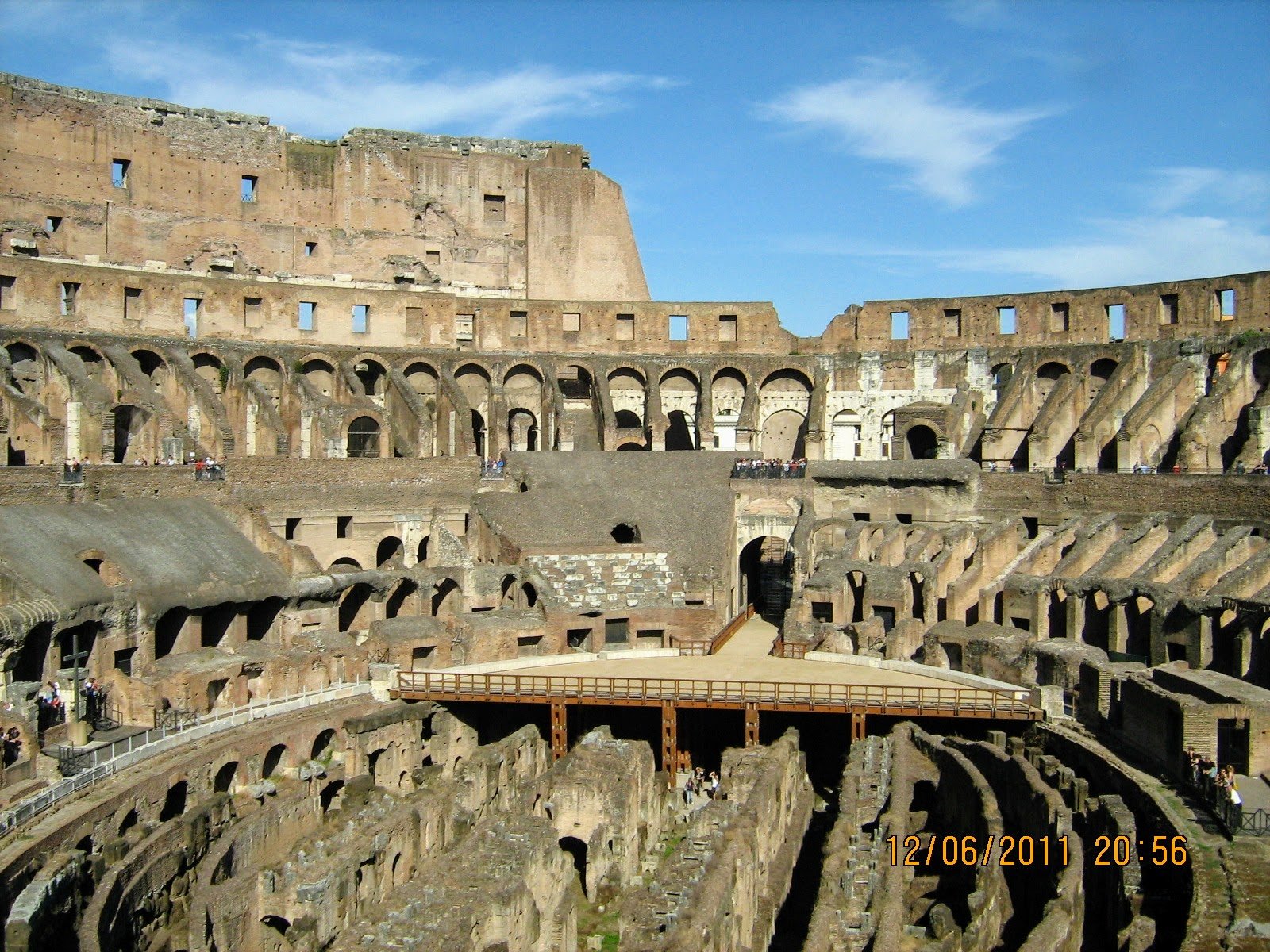
The Colosseum is one of those sights that is difficult to appreciate fully until you see it in person.
We had already seen it from outside the previous evening, but returned the following day and decided to go inside.
We bought €17 fast-track tickets at the time and explored the monument on our own rather than joining the guided tour.
The scale of the Colosseum is extraordinary. From outside, it is impressive, but once inside, you get a much better sense of how enormous the structure really is.
The ancient amphitheatre could accommodate tens of thousands of spectators and was used for gladiatorial contests and other public spectacles.
Even in its ruined state, the Colosseum remains one of Rome’s most memorable sights.
Tip: If you have enough time, combine the Colosseum with the Roman Forum and Palatine Hill.
Getting Around Rome
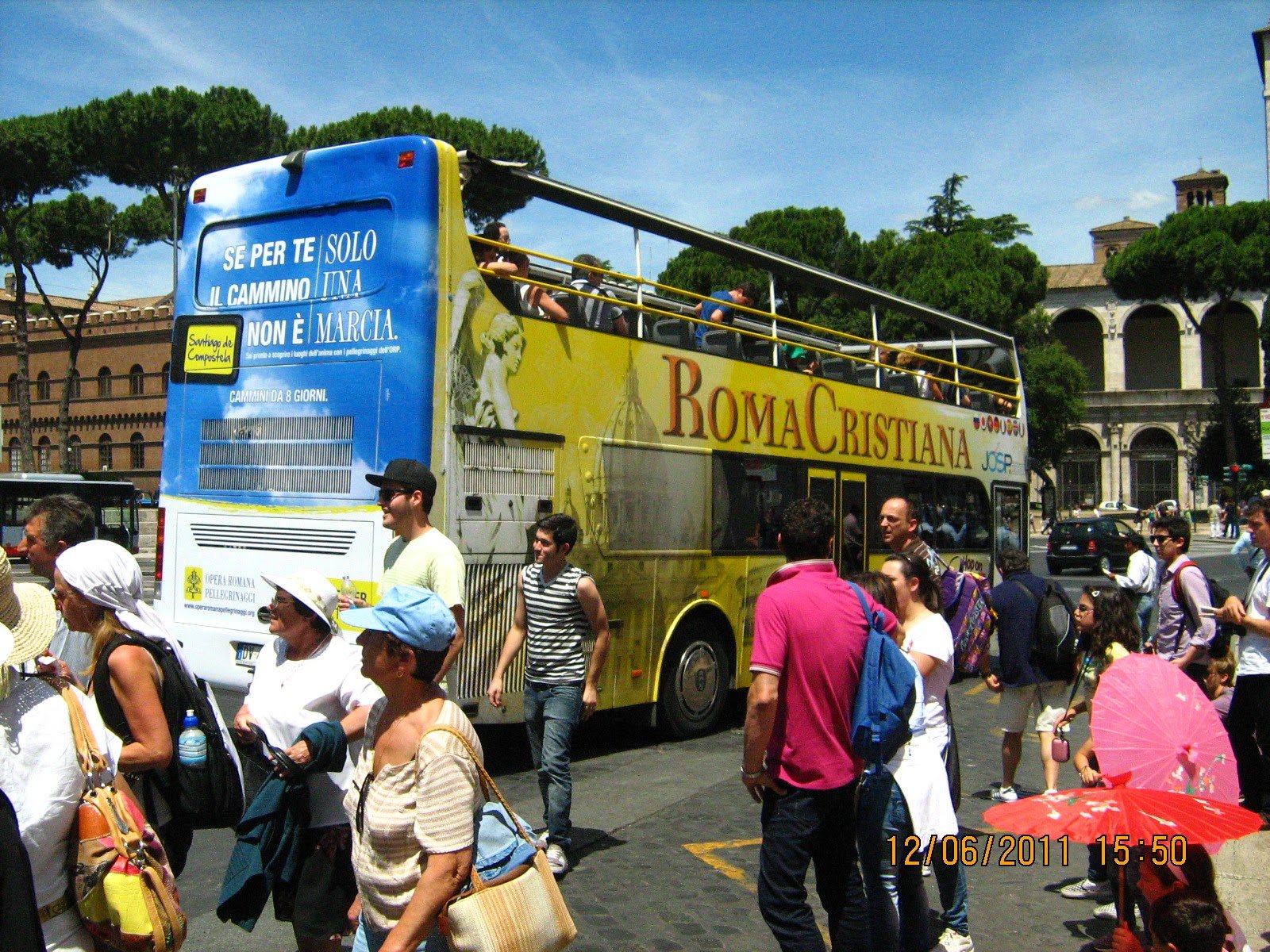
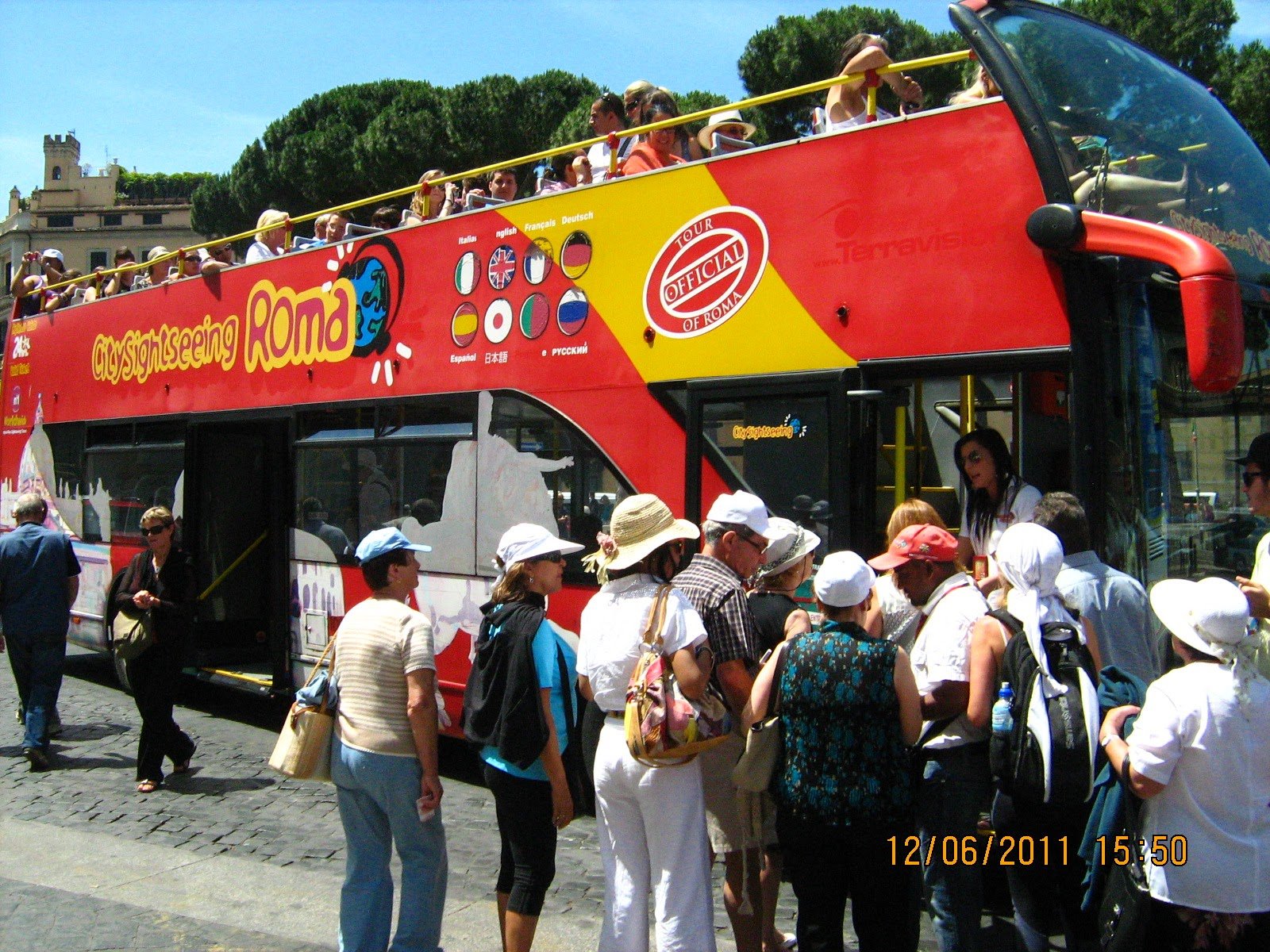
We used a combination of buses, the Metro and walking.
Bus No. 23 took us towards the Vatican, while the Metro was useful for reaching other parts of the city. Walking, however, was often the most enjoyable way to explore the historic centre.
For example, the walk from Piazza Venezia towards the Colosseum takes you through an interesting mix of historic buildings and modern Rome.
On our way back to the airport, we took a taxi. It cost us €42 for four people, which at the time was roughly comparable to the cost of public transport for the group.
Eating in Rome
After several days of pizza, pasta and spaghetti, we were ready for something different.
We headed towards the Termini area looking for Indian food and found an Indian/Bangladeshi restaurant. The restaurant wasn’t particularly fancy, but after days of Italian food, the biryani tasted fantastic.
Rome also has a sizeable South Asian community. During our visit, we frequently came across South Asians working in souvenir shops, snack shops and other businesses. Being able to speak Bengali with some of them made the city feel unexpectedly familiar.
Our 2-Day Rome Itinerary
Day 1
Vatican Museums → Sistine Chapel → Vatican City → Piazza De Venezia → Colosseum exterior
Day 2
Trevi Fountain → Piazza del Popolo → Spanish Steps → Colosseum
If you have a third day, slow down the itinerary and add the Roman Forum, Palatine Hill, Pantheon and more time exploring the historic centre.
Rome Travel Tips
- Book the Vatican Museums in advance, preferably with a timed entry.
- If using a tour operator such as Viator Travels, check the tour time carefully and allow plenty of time to reach the Vatican.
- Allow several hours for the Vatican Museums.
- Wear comfortable shoes. Walking is one of the best ways to explore central Rome.
- Use the Metro and buses for longer distances.
- Expect crowds at Trevi Fountain, Spanish Steps and the Colosseum.
- Keep some flexibility in your itinerary. Rome is a city where wandering through its streets can be as enjoyable as visiting individual attractions.
- If travelling as a group, compare taxi and public transport costs, particularly for airport transfers.
Rome: A City Where History Comes Alive
What stayed with us most about Rome was the sheer contrast between the ancient and the modern.
One moment you are walking through a busy city street; the next, you are standing in front of a monument that has survived for centuries. The Vatican, Colosseum, Trevi Fountain and Spanish Steps each offer a very different experience, yet together they capture much of what makes Rome special.
Our two days gave us a taste of the city, and it was enough to leave us wanting to return and explore more of Rome’s streets, museums, piazzas and ancient ruins.


